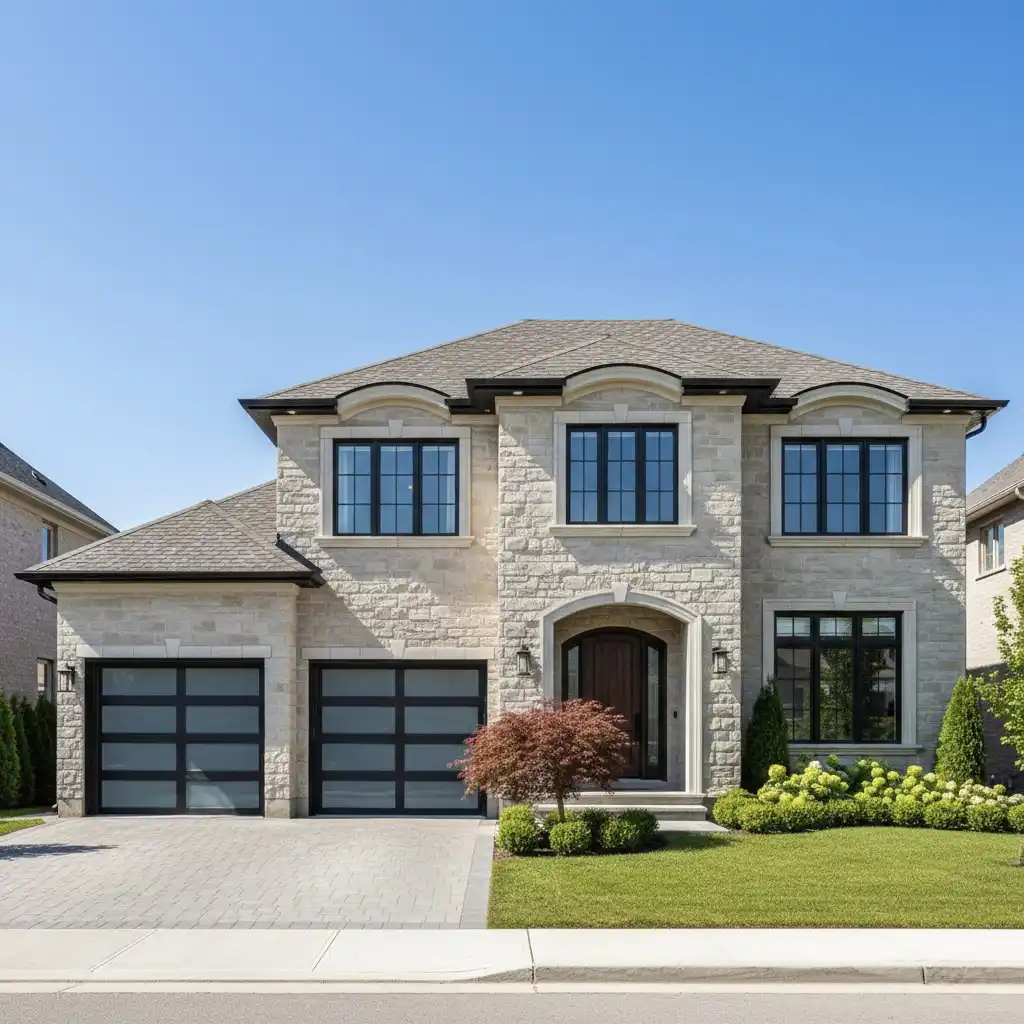
Master your budget, navigate permits, and hire the right team for a high-ROI architectural transformation.
For Toronto homeowners, planning a Full Home Renovation in Toronto is a significant financial and lifestyle investment. As the housing market shifts toward long-term hold strategies in 2026, understanding the complexities of construction costs, architectural design, and city bylaws is essential to ensuring a successful project. In this guide, we outline four professional strategies to maximize your Return on Investment (ROI) and ensure a seamless build process:
Strategic Budgeting: Analyze current 2026 construction costs per square foot in the GTA to set a realistic financial roadmap.
Architectural Design: Prioritize functional layouts and cohesive aesthetics that blend interior luxury with structural integrity.
Permit Navigation: Proactively manage City of Toronto zoning, Committee of Adjustment, and building permit requirements.
Team Selection: Vet and hire a General Contractor who offers transparency, comprehensive project management, and high-end craftsmanship.
A successful full home renovation starts with a clear understanding of the numbers. In the Toronto market, material costs and skilled labor rates fluctuate, so establishing a detailed budget early is critical to avoiding “scope creep” and ensuring your finished home adds real market value.
Cost Allocations to Consider
Know where your money goes to allocate your budget effectively.
Structural Changes: Removing load-bearing walls, underpinning basements, or adding additions.
Mechanical Updates: Upgrading HVAC, electrical panels (200 Amp), and smart-home plumbing.
Finish Materials: High-end flooring, custom millwork, and stone countertops.
Contingency Fund: Setting aside 10-15% for unforeseen issues behind drywalls.
Focus on these categories to build a budget that respects your financial limits while delivering premium results.
Estimated Cost Ranges (2026 GTA Averages) Use these estimated ranges as a baseline for your planning. Note: Prices vary based on finish quality.
| Renovation Level | Est. Cost / Sq. Ft. | Project Type |
| Cosmetic | $150 – $250 | Surface updates, flooring, paint, fixture swaps. |
| Standard Build | $300 – $450 | Full gut, layout changes, mid-range finishes. |
| Luxury / Custom | $500 – $800+ | Architectural changes, additions, high-end millwork. |
| Heritage | Custom Quote | Restoration of historical features with modern systems. |
Steps to Secure Your Investment
Get detailed estimates: Request itemized quotes from contractors rather than lump-sum numbers.
Prioritize high-ROI areas: Focus spending on kitchens, primary ensuites, and functional layouts.
Secure financing early: Consult with lenders about “Construction Loans” or HELOC options before breaking ground.
Factor in “Soft Costs”: Don’t forget architect fees, permit fees, and interior design consultations.
Consult a Realtor: If resale is a goal, ensure your renovation aligns with neighborhood price caps in areas like Etobicoke or North York.
After establishing your budget, review it against your “Must-Haves” vs. “Nice-to-Haves.” Inspect your financial buffer to ensure you can handle surprise structural repairs.
If unsure about current pricing, consider scheduling a site visit to get a realistic assessment.
Stay informed on material trends and supply chain timelines to keep your budget on track.
Prioritize Function and Flow
Great design is about more than just aesthetics; it is about how you live. A well-planned “Architectural Renovation” optimizes natural light, improves traffic flow, and integrates modern conveniences like laundry chutes or butler’s pantries. This phase bridges the gap between your vision and the engineering reality.
| Design Element | Recommended Approach | Notes |
| Floor Plan | Open-concept with defined “zones” | Improves light while keeping distinct living areas. |
| Lighting | Layered Lighting Plan | Combine recessed, task, and ambient fixtures. |
| Millwork | Custom built-ins | Maximizes storage and adds a “luxury” feel. |
Check these design elements early and take the time to visualize the space using 3D renderings if possible.
Practical Design Tips
Maximize Ceiling Height: In basements or main floors, every inch of height adds premium value.
Integrate Smart Tech: Plan for hardwired data points, smart thermostats, and automated blinds during the framing stage.
Select Timeless Finishes: Avoid “trendy” tiles; opt for natural stone and hardwoods that age gracefully.
Extra Measures
Consider hiring an Interior Designer alongside your General Contractor. This collaboration ensures that the placement of every outlet and light switch is intentional.
Even with great blueprints, always verify site conditions once demolition is complete to adjust the design to the reality of the structure.
Want a home that balances modern architecture with warm livability? Our Design-Build approach streamlines the transition from paper sketches to final construction. Contact North Realm today to start your design consultation.
Serving Etobicoke, The Kingsway, and the Greater Toronto Area. Book your site consultation.
Call (905) 616-9204
Toronto’s building code is strict, and navigating the Committee of Adjustment can be daunting. Ensuring your project is fully legal protects your investment and ensures the safety of your family. Taking the right steps before hammers swing can save you from Stop Work Orders.
Understand the Requirements
Managing the legal side of a renovation reduces the risk of fines, delays, and insurance issues. Start by confirming your property lines and zoning allowances.
Regularly check the status of your permit applications and correct any drawings that do not meet Ontario Building Code (OBC). Even minor setbacks can cause weeks of delay if not managed by a professional.
Key Permit Considerations
These measures help you control the timeline and ensure compliance:
Building Permits: Required for structural changes, additions, and new plumbing systems.
HVAC & Plumbing: Separate permits are often needed for major mechanical overhauls.
Tree Protection: The City of Toronto requires protection for trees on both private and municipal property.
Heritage Status: Check if your home is “Designated” or “Listed,” as this strictly limits exterior changes.
Addressing these legalities early prevents unnecessary pauses and ensures your renovation is insurable.
“A permit isn’t just a piece of paper; it is the guarantee that your home is safe, legal, and built to last.”
With the paperwork approved, you are ready to move into the final step: selecting the team that will bring the vision to life.
Selecting the right partner is the most critical decision you will make. A “General Contractor in Toronto” manages the trades, the timeline, the budget, and the quality control. Ongoing communication ensures your vision is executed flawlessly.
Vet Your Potential Contractors Thorough vetting helps you spot red flags early and avoid nightmare scenarios. Review each candidate to confirm they are a legitimate business.
Verify Insurance & WSIB: Ensure they carry at least $2M (preferably $5M) in liability insurance and active WSIB coverage.
Check Past Projects: Ask to see active job sites, not just finished photos, to judge job site cleanliness and organization.
Review the Contract: Look for detailed payment schedules tied to milestones, not just calendar dates.
Assess Communication: Do they use project management software? How often will you receive updates?
A few hours of due diligence can save you from months of stress and legal battles.
If a quote seems “too good to be true,” it usually is. Quality labor and materials have a fixed market cost.
Review Your Contractor Checklist A quick assessment helps you hire with confidence.
| Item | What to Check | Why It Matters |
| Timeline | Realistic, buffered schedule | Prevents disappointment and rushed finishes. |
| Sub-Trades | Licensed Electricians/Plumbers | Ensures work is code-compliant and safe. |
| Warranty | Written workmanship guarantee | Protects you after the project is complete. |
| References | Call previous clients | Reveals how they handle stress and delays. |
Avoid hiring contractors who ask for large cash deposits upfront or refuse to provide a written contract.
When to Call a Specialist
Some renovations require a level of complexity that standard handymen cannot handle.
Removing load-bearing walls or underpinning foundations.
Second-story additions requiring structural steel.
High-end custom millwork and intricate tile installations.
Complete mechanical system replacements (HVAC/Electrical).
“The quality of your finish is only as good as the team managing the start.”
For major projects, North Realm Construction provides end-to-end General Contracting services in Toronto. Our project managers ensure transparency, quality, and strict adherence to your vision.

